OUR SCIENCE
Education

Microglia States in Health and Disease
In this first of two lecture videos, Dr. Beth Stevens explains what microglia are and their important functions for healthy brain development. This video is provided on behalf of the iBiology courses from Science Communication Lab.

How Microglia Sculpt Brain Circuitry in Health and Disease
In this second of two lecture videos, Dr. Beth Stevens explains how microglia prune, or eliminate, the synapses of neurons to promote healthy brain development and the mechanisms that govern this important process. This video is provided on behalf of the iBiology courses from Science Communication Lab.
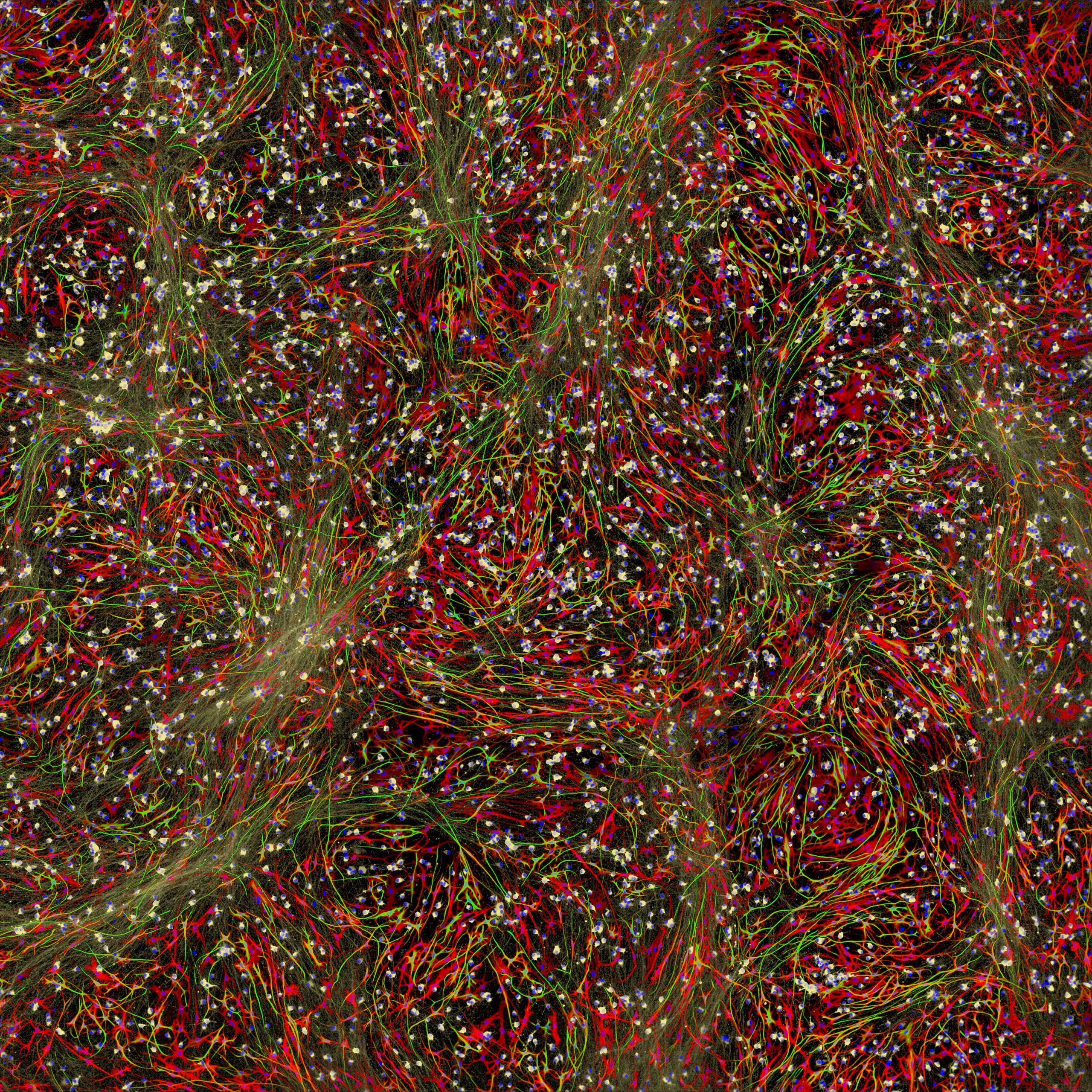
Could the brain’s over-eager ‘pruning shears’ be causing schizophrenia?
In this article and brochure, Drs. Matthew Johnson and Beth Stevens explain how we use mouse models to understand the relationship between synaptic pruning and schizophrenia. These were produced by Futurum Careers, a free online resource and magazine aimed at encouraging 14-to-19-year-olds worldwide to pursue careers in science, technology, engineering, maths and medicine (STEM), and social sciences, humanities and the arts for people and the economy (SHAPE): futurumcareers.com
Glia Are Your Brain’s Most Mysterious Cells
In this video, Dr. Beth Stevens describes her journey as a scientist and how her work with microglia and the complement system propelled her trajectory as a leading scientist in the field of neuroimmunology. This video was produced by SciShow, a Youtube channel dedicated to exploring and educating the broader public on exciting science.
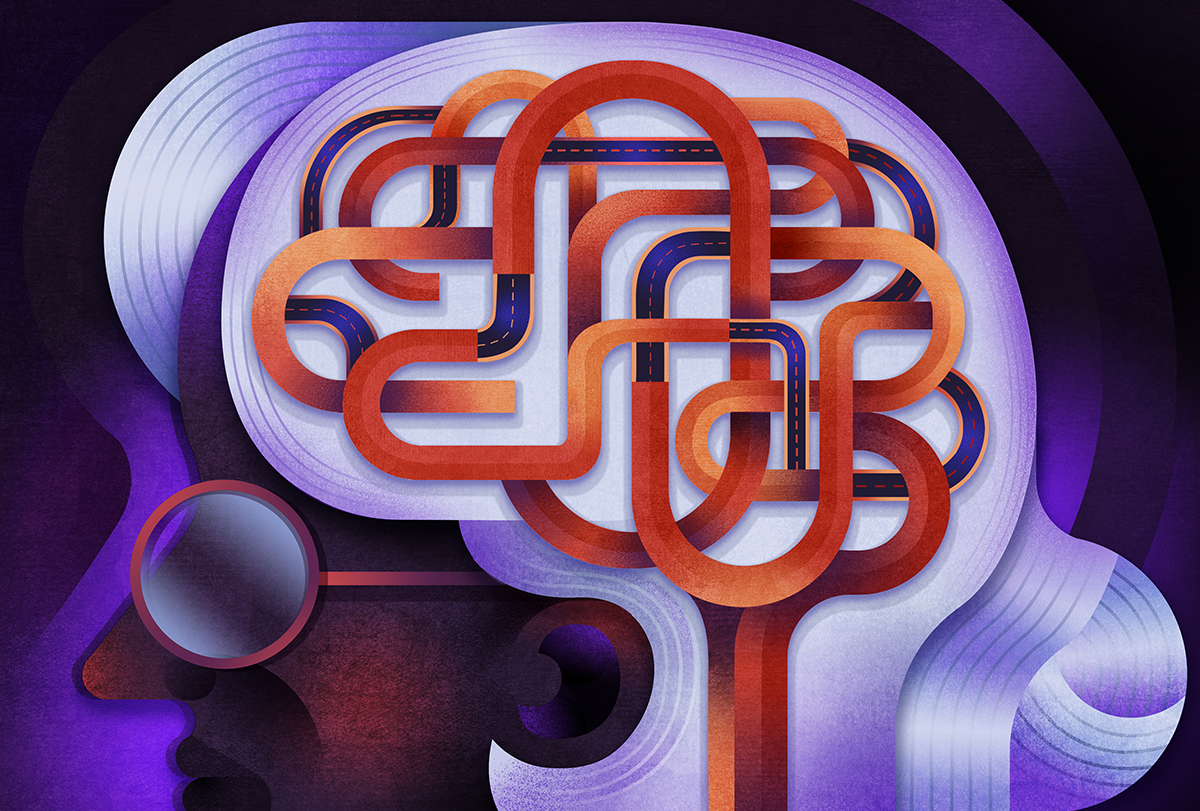
Age-Related Adaptations Impact Brain Behavior
An article by Dana Rubi Levy, Kevin Mastro (Conte Center researcher), and Michael Ryan in The Transmitter describes how the brain develops adaptations to compensate for age-related changes, and how we can learn about the impact these adaptations have on cognition and behavior.

Stanley Center Primer: Michael Carroll and Jesse Presumey
The Stanley Center at the Broad Institute presents Primers on various science topics as part of the weekly Program Meeting series. In this Primer, Drs. Michael Carroll and Jesse Presumey provide an overview of the complement cascade and focus on the role of complement in microglial synaptic pruning.

The story of the C4 discovery in The New Yorker
An article by Siddhartha Mukherjee in The New Yorker that describes our consortium’s journey to discover the impact of the C4 gene on schizophrenia.
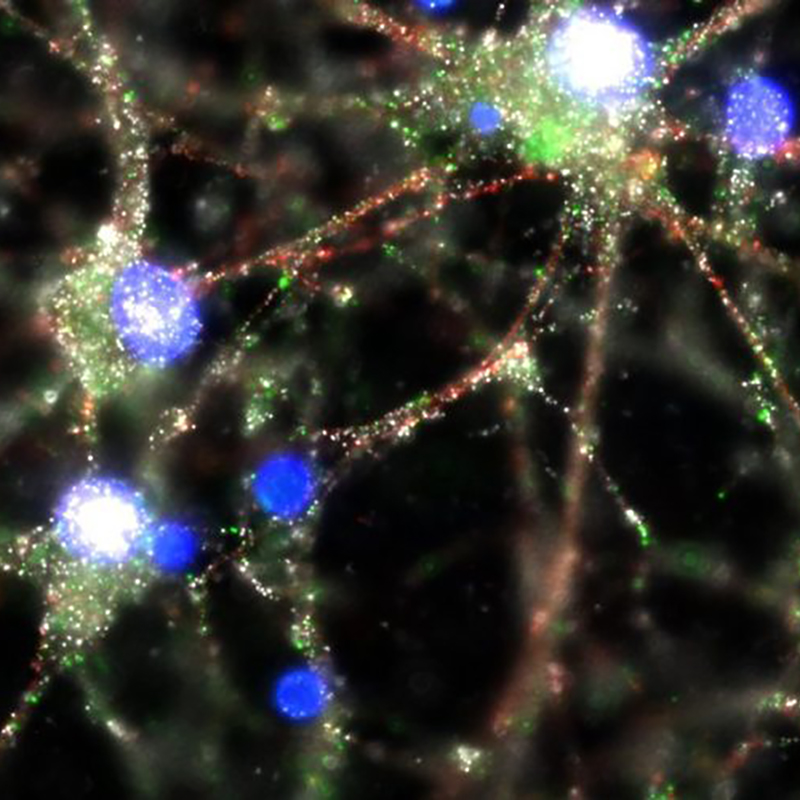
C4 and schizophrenia work in the New York Times
An article describing our discovery of C4’s impact on schizophrenia in The New York Times and features an image of C4 protein at synapses taken by our Heather de Rivera.
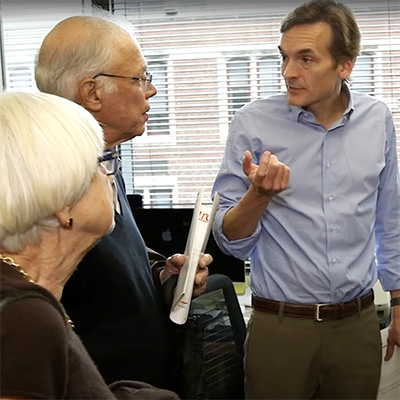
Beth Stevens, Steve McCarroll, and Mike Carroll win the NAMI Award
NAMI, the National Alliance on Mental Illness, is an organization dedicated to building better lives for Americans affected by mental illness. Each year, it awards scientists who have inspired hope through their research. Here is a clip about our Beth Stevens, Steve McCarroll, and Mike Carroll winning the 2016 award.